

Feeding the Household When Money Is Tight
Harold and Wanda in rural Burke County did the math every month on the back of an envelope: fixed Social Security, one insulin copay that crept up in January, propane that does not negotiate, and groceries that somehow cost forty dollars more than last year for less food. They were not “destitute” on paper—which is exactly why they never asked for help until a church friend mentioned the pantry two towns over. Millions of NC seniors live in that uncomfortable middle: too proud to complain, too stretched to feel secure.
This article is about real assistance, not Medicaid loopholes. Food, heat, and medicine are the tripod. Kick one leg and everything wobbles. The good news: North Carolina has more practical programs than most families use, often because nobody advertises them at the pharmacy counter.
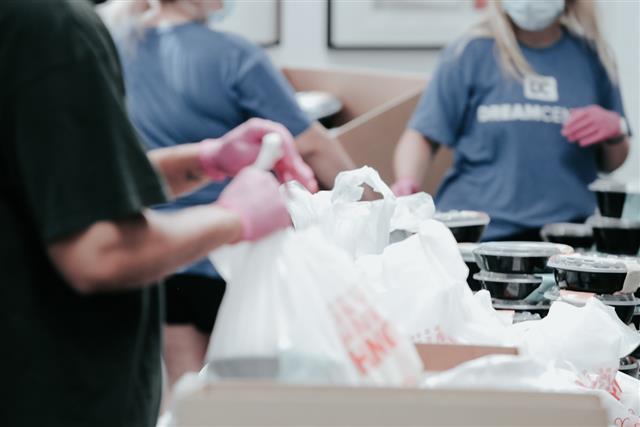
Food first. SNAP (Food and Nutrition Services in NC) helps households with limited income buy groceries on an EBT card. Seniors sometimes skip applying because they remember stigma from decades ago; the process today is paperwork, not a warehouse line. Many counties also support farmers-market dollar matches for seniors—ask at your local aging office. Food banks and pantries (regional networks like MANNA FoodBank in Western NC and hundreds of church and community pantries) often serve walk-in hours with no sermon required. Meals on Wheels and local “congregate meal” sites through Area Agencies on Aging deliver hot meals or serve lunch for donation—for many widowed seniors it is half nutrition, half human contact.
If you are helping parents apply, offer to sit at the kitchen table with pay stubs, rent, and utility printouts. Shame is the main reason people walk away; your presence is the antidote. Our NC senior services directory lists aging offices and national tools in one place.
Heat and utilities. When food competes with electricity, call NC 211 and ask about LIHEAP (Low Income Energy Assistance) and crisis intervention funds. Many co-ops and municipal utilities have senior discount riders you will not see unless you ask. Winter in the mountains is not the time to “tough it out” with a space heater and closed vents—carbon monoxide and broken pipes cost more than assistance ever did.
Prescriptions without skipping doses. Never ration insulin, blood thinners, or heart drugs to afford groceries—that trade ends in an ambulance bill. Ask the pharmacist about generics and ninety-day supplies. Programs like NeedyMeds and manufacturer patient assistance lines reduce copays for brand drugs. In North Carolina, NC MedAssist helps eligible residents access free medications through partner pharmacies. Community health centers (search HRSA find-a-health-center) often use sliding-scale fees for visits and labs. If cash is truly gone and a rash or infection is brewing, see our article on free telehealth as a bridge—not ideal for everything, but better than untreated pneumonia because the copay was \$40.

Make a one-page “stretch” plan. On a single sheet write: (1) pantry days and hours, (2) SNAP or Meals on Wheels contact, (3) LIHEAP phone, (4) pharmacy generic alternatives, (5) one person in the family who gets a copy every January. Update it when Medicare changes in October. Harold and Wanda now pick up a monthly box from a neighbor who rotates volunteers; Wanda says the food tastes the same whether she paid full price or not, but her shoulders drop when the box arrives.
Helping a parent here is not about taking over their checkbook unless they ask. It is about removing one barrier per week—a ride to the pantry, an online form, a three-way call to 211. Dignity stays intact when help is specific and small. If your family is juggling food and medicine, start with one call tomorrow morning. Momentum matters more than a perfect budget spreadsheet.
Grandparents raising grandchildren. If you are a senior household feeding kids again, WIC, school lunch programs, and SNAP household rules may differ—count every mouth honestly on applications. County social services can screen multiple programs in one appointment if you bring the paperwork once. Shame is common in this lane; you are not the first porch in NC where grandma is cooking for three generations again.
Transportation is part of food security. In rural counties, the pantry is open Tuesday 10–1 and you have no car that day—so food insecurity becomes a mileage problem. Area Agencies on Aging and faith-based volunteer ride programs sometimes cover grocery trips even when they do not advertise broadly. Ask 211 specifically: “I need a ride to a food pantry in [county].” One reliable ride per month can double what lands in the cupboard.
Adult children can help without taking over: set up autopay for one utility with a low balance alert, enroll in pharmacy ninety-day mail delivery to cut trips, or split a warehouse club membership for paper goods only. Small structural changes beat occasional cash handouts that Dad feels he must “pay back” emotionally. The goal is steady calories and taken medications, not a perfect budget lecture at Sunday dinner.
Seasonal timing matters: Medicare Open Enrollment and Part D changes in the fall often shift drug costs more than grocery prices do. Re-run your one-page stretch plan every October so a new copay does not silently steal the grocery line item. Harold and Wanda now review theirs with their daughter over coffee—ten minutes, once a year, fewer surprises.
Ready to take control of your future?
No pressure, no obligation-just real help from people who've been there.
We're here for NC seniors-let's climb that next mountain together.